
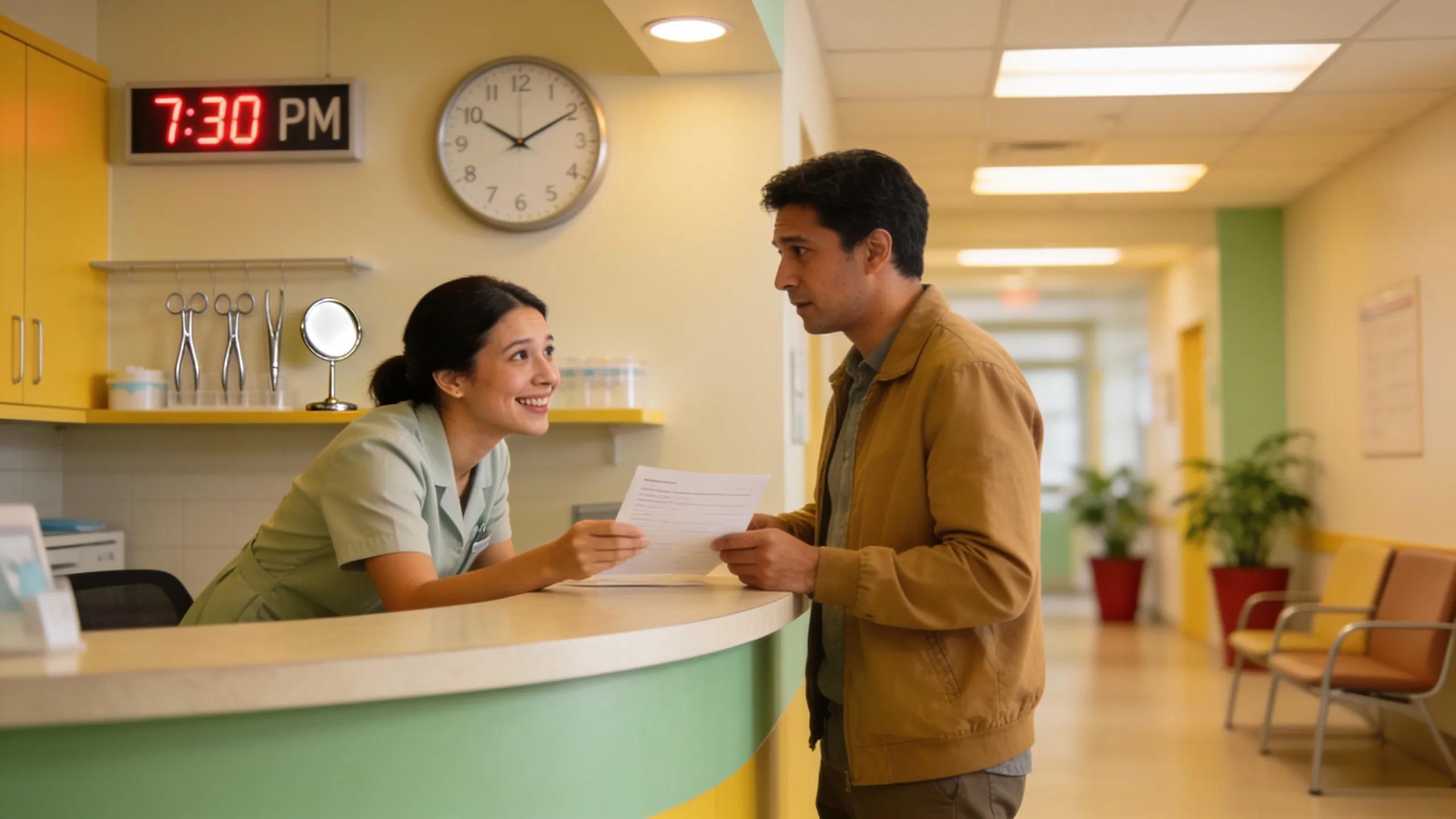
Emergency Dental Care in Michigan: Fast Help When You Need It Most with Urgent Dental Services
When a dental crisis occurs, quick access to emergency dental care protects health and reduces suffering. This article summarizes emergency dental services in Michigan, common emergency types, key symptoms, and what to expect during urgent treatment. Early recognition and same-day access—offered by providers such as Midwest Family Dental Care—improve outcomes and patient comfort.
Key Takeaways
- Emergency dental care in Michigan addresses severe pain, trauma, and infections that need prompt attention.
- Recognize warning signs like persistent toothache, swelling, and visible trauma to seek timely care.
- Many clinics, including Midwest Family Dental Care, offer after-hours and same-day appointments.
- Flexible scheduling and multiple locations improve accessibility and reduce travel time.
- Emergency treatments typically focus on pain control, extraction when necessary, and temporary or definitive restorations.
- Bring documentation and clearly describe symptoms to speed triage and treatment.
- Patient comfort is supported with sedation options when appropriate.
- Insurance and transparent pricing help patients manage urgent-care costs.
Identifying Symptoms
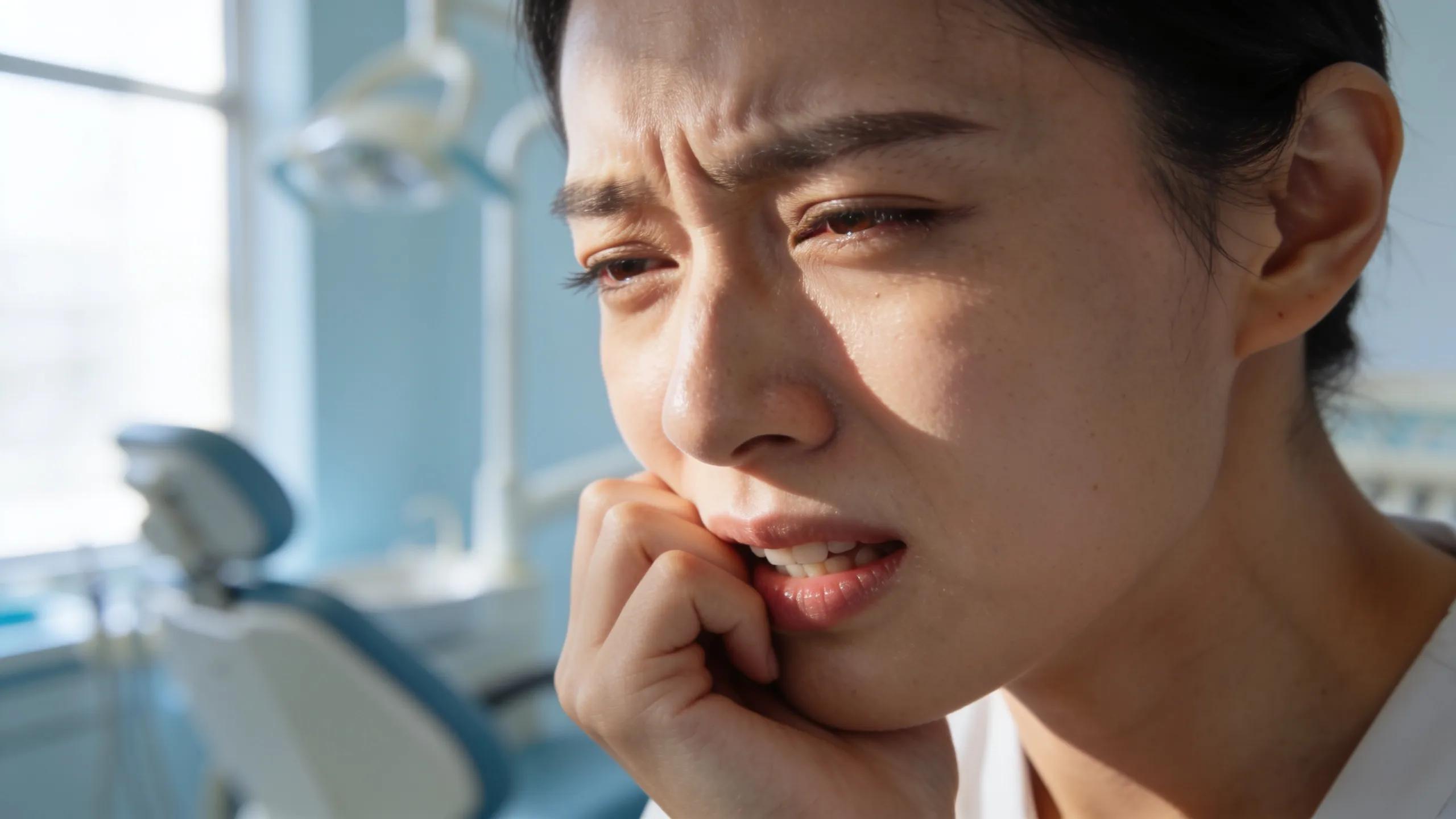
Seek urgent care for persistent or severe tooth pain, facial or gum swelling, bleeding that won’t stop, or visible tooth damage. These signs may indicate infection, an abscess, or trauma that requires prompt treatment.
Conditions Requiring Immediate Attention
Recognise the following critical situations and seek same-day care:
- Severe Pain: Often a sign of infection or deep decay.
- Uncontrolled Bleeding: Needs immediate professional management.
- Dental Trauma: Cracked, displaced, or avulsed teeth require urgent care to preserve function.
Swift action improves outcomes and may save teeth that would otherwise be lost.
After-Hours and Same-Day Services
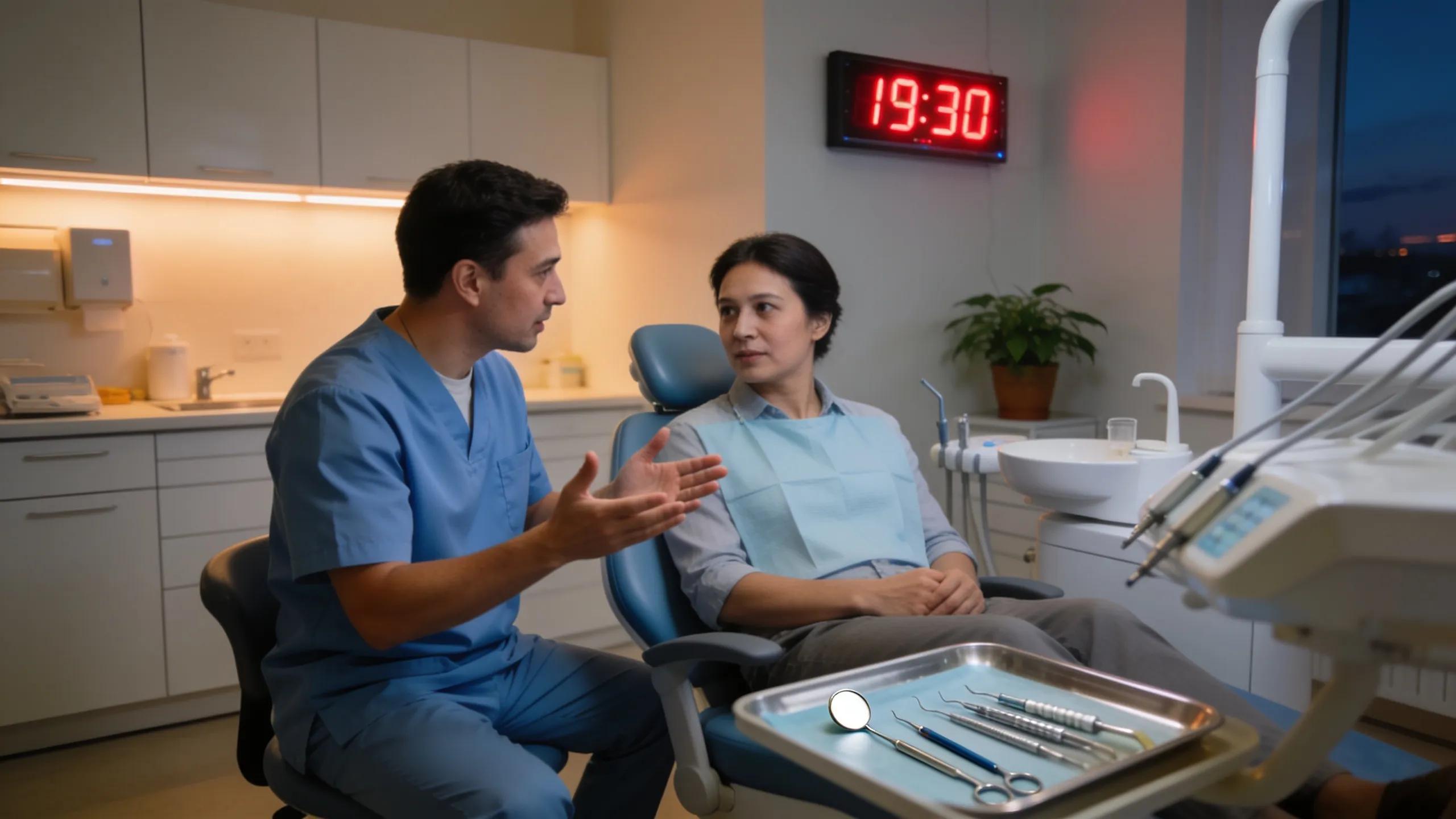
After-hours and same-day appointments reduce delay in treating pain, infection, and trauma. Many practices, including Midwest Family Dental Care, reserve time for urgent cases so patients can receive timely relief outside standard office hours.
Advantages of Flexible Scheduling and Multiple Locations
Multiple clinics and flexible scheduling make emergency care more accessible. The main benefits are:
- Reduced Travel Time: Easier access to the nearest clinic.
- Increased Accessibility: Families can obtain care sooner.
- Convenient Appointments: Options to fit urgent needs and schedules.
These features help limit complications by getting patients treated faster.
What Patients Can Expect During Treatment
Emergency visits focus on rapid assessment, diagnosis, and pain control. Dentists perform a focused exam, take necessary imaging, and recommend a concise treatment plan that addresses immediate pain and stabilises the problem.
Common Types of Dental Emergencies in Michigan
Below are frequent urgent scenarios and typical approaches used to resolve them.
Severe Toothaches
Severe toothaches may indicate pulpitis or infection; treatment can include imaging, temporary or definitive restorations, or root canal therapy to remove infection and relieve pain.
Broken or Chipped Teeth
Treatment depends on damage extent and may include bonding, crowns, or veneers to restore function and appearance.
Dental Abscesses
Abscesses cause pus, swelling, and pain; management may involve drainage, root canal or extraction, and antibiotics when indicated.
Lost Fillings
Replacing lost restorations prevents further decay and sensitivity; prompt repair protects the tooth from worsening damage.
Knocked-Out Teeth
An avulsed tooth needs immediate attention. Handle it by the crown, avoid the root, and seek care quickly—ideally within an hour—to improve reimplantation chances.
How to Identify Symptoms Like Toothache, Dental Trauma, and Infections
Warning signs that warrant urgent evaluation include persistent pain, pain when chewing, sensitivity to temperature, visible tooth damage, loose or displaced teeth, and swelling or fever with tooth pain.
Which Conditions Require Immediate Same-Day Dental Emergency Appointments?
Same-day attention is recommended for severe toothaches, dental trauma (dislodged or fractured teeth), and abscesses or infections causing swelling and persistent pain.
How Does Midwest Family Dental Care Provide After Hours and Same Day Emergency Dental Services?
Midwest Family Dental Care offers same-day and after-hours options focused on rapid access and patient-centered care to address pain and acute problems without unnecessary delay.
What Are the Advantages of Flexible Scheduling and Multiple Michigan Locations?
Flexible scheduling and multiple clinics streamline access, reduce waiting times, and support community dental health by making urgent care easier to obtain.
Which Emergency Treatments Are Offered for Fast Toothache Relief and Dental Trauma?
Common emergency interventions include:
- Pain Relief Injections: Local anaesthesia for rapid comfort.
- Emergency Extractions: Removal when a tooth cannot be saved or is a source of infection.
- Restorative Procedures: Same-day restorations or temporary fixes to stabilise the tooth.
These treatments relieve pain quickly and protect oral health until definitive care is completed.
How Can Patients Prepare and What Should They Expect During an Emergency Dental Visit?
Before your visit, bring ID and insurance cards, note symptom onset and severity, and be ready to discuss your medical history. Expect a focused exam, imaging if required, immediate pain control, and a clear treatment plan.
What Steps Should You Take Before Arriving for Emergency Dental Care?
Call ahead to confirm availability, gather essential documents, and prepare to describe symptoms and any recent events that caused the issue—this helps the clinic triage and prioritise care.
How Does Midwest Family Dental Care Ensure Patient Comfort Including Sedation Options?
Patient comfort is prioritised with pre-procedure assessments and a range of sedation options tailored to individual needs to reduce anxiety and improve tolerability of urgent procedures.
What Insurance and Payment Options Are Available for Urgent Dental Services in Michigan?
Insurance coverage and payment options vary; Midwest Family Dental Care accepts multiple plans and can discuss payment arrangements to help patients access timely care.
Which Insurance Plans Are Accepted for Emergency Dental Care?
Contact the office directly for a current list of accepted plans and assistance understanding your benefits before or during your visit.
Are Transparent Pricing and Payment Plans Offered for Emergency Treatments?
Transparent pricing and available payment options are provided so patients understand likely costs and can make informed decisions about urgent care.
Frequently Asked Questions
1. What should I do if I knock out a tooth?
Handle the tooth by the crown, avoid the root, and try to reinsert it if possible. If you cannot, store it in milk or saliva and reach an emergency clinic promptly—treatment within an hour gives the best chance for reimplantation.
2. How can I manage dental pain at home while waiting for my appointment?
Use over-the-counter analgesics (ibuprofen or acetaminophen as directed), apply a cold compress to reduce swelling, and avoid extremes of temperature in foods and drinks.
3. What are common causes of dental abscesses?
Abscesses often result from untreated decay, gum disease, or injury that allows bacteria to infect the tooth or surrounding tissues; early treatment prevents spread.
4. Are there special considerations for children needing emergency dental care?
Children benefit from a calm, child-friendly approach; providers may use behaviour techniques and age-appropriate sedation to ensure safe, comfortable care.
5. How can I find an emergency dental provider near me?
Search online for local urgent dental clinics, ask your regular dentist for referrals, or keep contact information for nearby clinics to save time in an emergency.
6. What information should I provide during an emergency dental visit?
Share symptom details (onset, severity), medical history, allergies, current medications, and insurance information to help the dental team make safe, effective decisions.
7. Can I walk into an emergency dental clinic without an appointment?
Many clinics accept walk-ins, but calling ahead is recommended so the office can prepare and reduce waiting time.
Conclusion
Accessible emergency dental care in Michigan offers timely relief and protects long-term oral health. Recognise warning signs early and seek care from providers that prioritise quick access, patient comfort, and clear communication—help is often just a call away.