
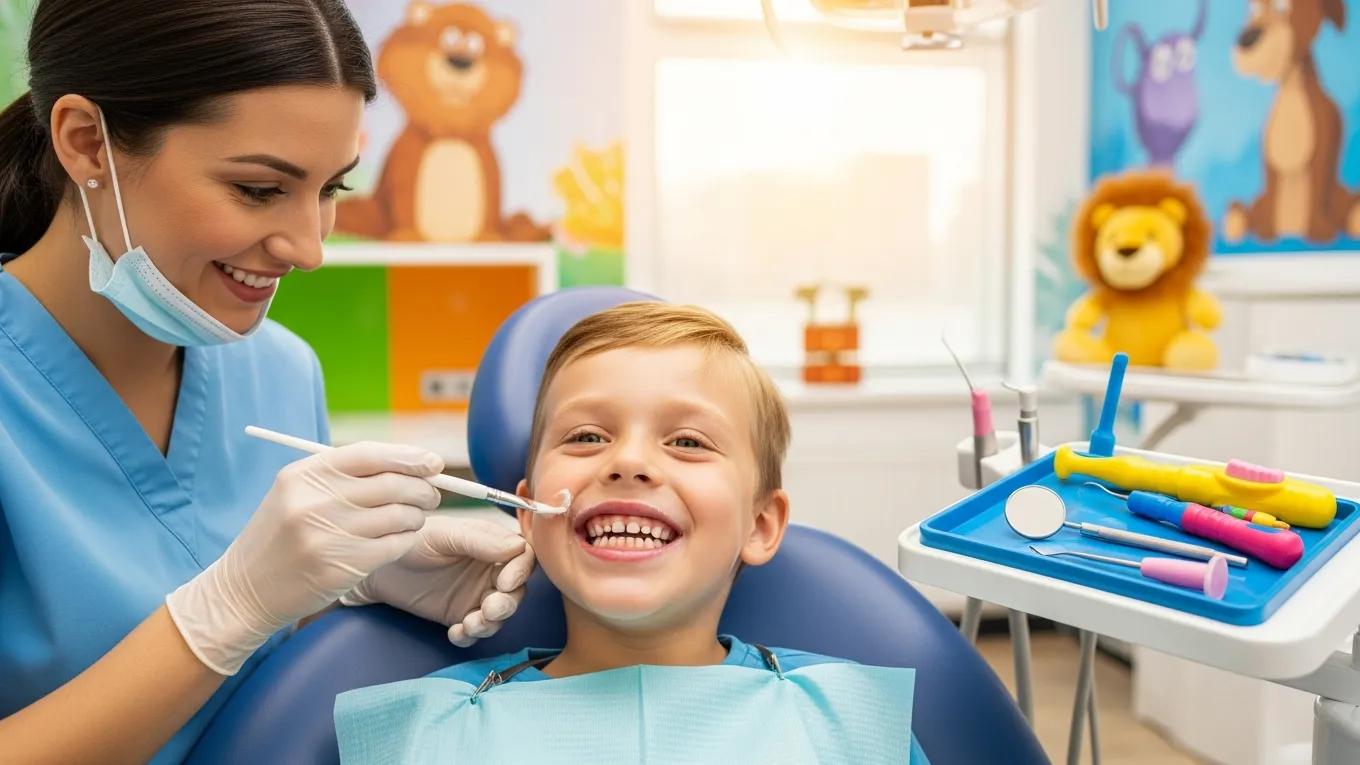
Fluoride and Sealants: Protecting Kids’ Teeth
Fluoride and Sealants: Essential Preventive Care to Protect Kids’ Teeth
Preventing decay is the foundation of children’s dental care. Professional fluoride and dental sealants are minimally invasive, evidence‑based tools that strengthen enamel and block decay-prone grooves. This page summarizes how they work, their benefits for children, and how Midwest Family Dental Care supports families in Michigan and Indiana with personalized prevention plans.
Key Takeaways
- Fluoride boosts enamel remineralization to lower cavity risk.
- Sealants form a protective barrier on molars to keep out food and bacteria.
- Sealants can cut cavity risk on treated surfaces by up to 80%.
- Varnish and sealant applications are quick, painless, and child‑friendly.
- Treatments are commonly timed when permanent molars erupt (roughly ages 6–14).
- Routine six‑month visits let clinicians assess and reapply prevention as needed.
- Midwest Family Dental Care offers tailored fluoride and sealant services.
- When delivered by professionals, fluoride has minimal side effects.
Fluoride Treatments:
Fluoride is a core preventive therapy in pediatric dentistry, helping enamel recover from early mineral loss and resisting acid attacks from plaque and sugars. Applied in the office, it lowers cavity risk and can halt very early enamel breakdown in a brief, comfortable visit.
At Midwest Family Dental Care we match fluoride frequency and form to each child’s risk, following evidence‑based protocols and gentle techniques to keep visits reassuring for families.
Dental Sealants:
Sealants protect occlusal (chewing) surfaces on posterior teeth where pits and fissures trap debris. The thin resin coating creates a smooth, easy‑to‑clean surface and is non‑invasive, making it an excellent option for children and teens.
What Are Dental Sealants and How Do They Protect Children’s Teeth?
Sealants are thin resin coatings applied to molars and premolars to block food and bacteria from tiny grooves. They reduce cavities, especially for kids still mastering brushing, and provide multi‑year protection when checked at regular exams.
Understanding the Sealant Application Process for Kids
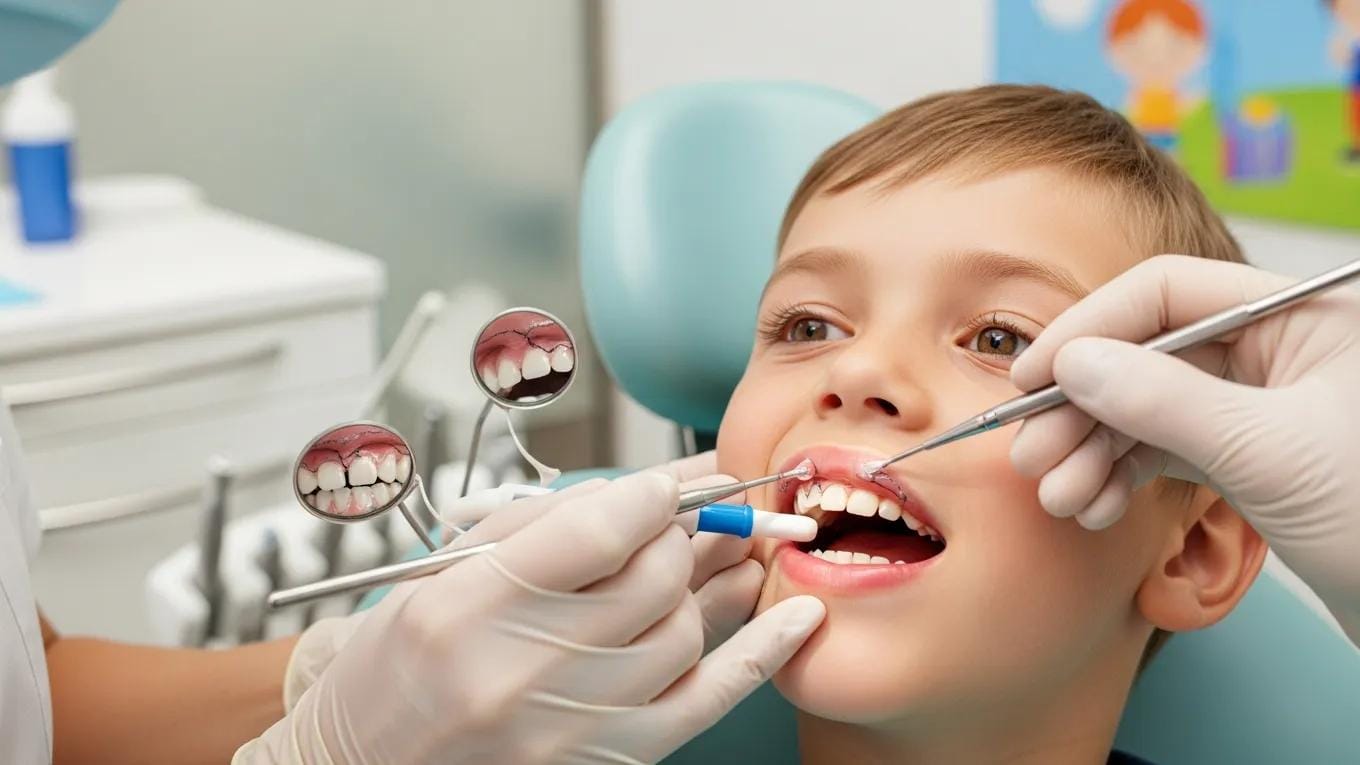
Application is quick: clean and dry the tooth, apply a conditioning gel, rinse and dry, paint the sealant, then cure it with a light. Each tooth takes only minutes and the procedure is painless.
How Sealants Reduce the Risk of Cavities in Children
Clinical studies show sealants reduce cavities on treated surfaces by up to 80% in children. They’re especially useful on molars with complex anatomy that is difficult to clean, helping families avoid fillings and more invasive care later.
A recent study further explores the effectiveness of dental sealants, silver diamine fluoride, and nanosilver fluoride in preventing pediatric caries.
Dental Sealants & Fluoride: Efficacy in Pediatric Caries Prevention
Aims and background: This study compares the effectiveness and application of dental sealants, silver diamine fluoride (SDF), and nanosilver fluoride (NSF) in children aged 6–12 years. The research combines quantitative clinical outcomes with qualitative patient feedback to evaluate these preventive strategies. Materials and methods: The investigators used a mixed‑methods design with pre‑ and post‑treatment assessments. A total of 300 participants were enrolled and divided into three equal groups: group A (100 participants) received dental sealants, group B (100 participants) received SDF treatment, and group C (100 participants) received NSF treatment. Participants included children aged 6–12 years and adults considered at high risk for caries. 1. Ajay Reddy Mareddy, Department of Pedodontics, Mamata Dental College, Khammam, Telangana, India, Phone: +91 9246901870, e‑mail:[email protected] 2. This article is distributed under the terms of the Creative Commons Attribution 4.0 International License (https://creativecommons.org/licenses/by-nc/4.0/), which permits unrestricted use, distribution, and non‑commercial reproduction in any medium, provided appropriate credit is given to the original author(s) and source. The Creative Commons Public Domain Dedication waiver (http://creativecommons.org/publicdomain/zero/1.0/) applies to the data made available in this article, unless otherwise stated. 3. The study’s objective was to compare the effectiveness and application of dental sealants, SDF, and NSF in children aged 6–12 years, combining quantitative clinical outcomes with qualitative feedback.
How Does Fluoride Treatment Strengthen Kids’ Teeth?
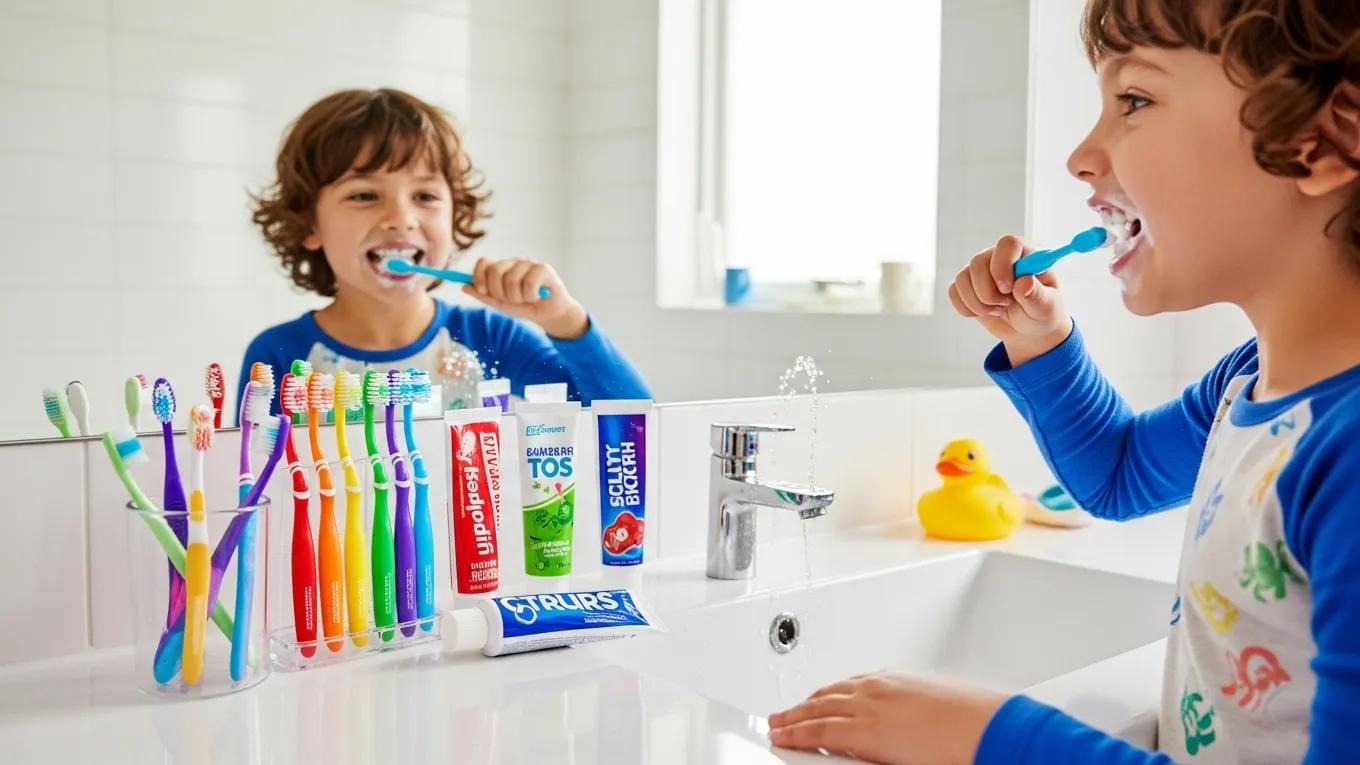
Topical fluoride helps remineralize weakened enamel and makes teeth more resistant to future acid attacks, potentially stopping very early decay before a filling is needed. It’s particularly important for children with higher decay risk.
What Is Fluoride Varnish and How Is It Applied to Children?
Fluoride varnish is a concentrated topical fluoride painted on teeth in a few minutes. It sticks to tooth surfaces and releases fluoride over time to provide ongoing protection between visits.
Are There Any Side Effects of Fluoride Treatment in Pediatric Care?
When used by professionals, fluoride is safe. Side effects are uncommon and usually mild (temporary taste change or brief discoloration). Follow your dentist’s guidance on frequency and home fluoride use for safe, effective care.
Who Should Receive Fluoride and Sealant Treatments?
Most children benefit from fluoride and sealants, especially those at elevated cavity risk. Sealants are often placed when permanent molars erupt (commonly ages 6–14). Your dentist will assess risk and recommend a preventive plan tailored to your child.
When and How Often Should Kids Get Preventive Dental Care?
The American Dental Association recommends a first dental visit by age one and routine exams every six months. These visits let clinicians evaluate cavity risk and decide when fluoride or sealants are appropriate.
How Can Midwest Family Dental Care Support Your Child’s Oral Health in Michigan and Indiana?
We provide family‑focused preventive services across Michigan and Indiana, including professional fluoride and sealants within personalized care plans. Our team emphasizes comfort and clear communication so families understand options and feel confident in care decisions.
Scheduling Pediatric Dental Appointments for Fluoride and Sealants
Booking is available online or by phone. Schedule visits at convenient times; regular preventive appointments help catch issues early and keep treatment needs minimal.
What Families Can Expect from Our Trusted, Family-Friendly Dental Services
We create a welcoming environment, emphasize patient education, and use gentle techniques. Our goal is calm, constructive visits that build good oral‑health habits and reduce future treatment needs.
Frequently Asked Questions
What age is appropriate for children to start receiving fluoride treatments?
Fluoride can begin when the first teeth appear, often around six months. The most important window is when permanent molars erupt (about ages 6–14); regular dental visits help set timing and frequency.
How long do dental sealants last, and when should they be reapplied?
Sealants often protect for five to ten years but can wear sooner. Routine exams check integrity; worn or chipped sealants can be repaired or reapplied during a standard visit.
Can fluoride treatments be used in conjunction with other dental treatments?
Yes. Fluoride is routinely applied with cleanings and alongside sealants to enhance remineralization and cavity prevention.
Are there alternatives to fluoride treatments for cavity prevention?
Alternatives such as silver diamine fluoride (SDF) and nanosilver fluoride (NSF) may be used to arrest decay in certain cases. Discuss options with your dentist to choose the best approach.
How can parents encourage good oral hygiene habits in their children?
Keep a consistent routine: brush twice daily with fluoride toothpaste, floss as recommended, and keep regular dental visits. Use age‑appropriate tools and positive reinforcement to make oral care engaging.
What should parents do if their child has a dental emergency?
Stay calm and seek immediate dental care. For a knocked‑out tooth, handle by the crown, rinse gently, and attempt reinsertion if possible; otherwise store the tooth in milk or saline and see a dentist right away.
Conclusion
Fluoride applications and dental sealants are effective, evidence‑based measures to protect children’s teeth. They strengthen enamel and create a durable barrier that reduces the need for restorative care. Regular visits to Midwest Family Dental Care let us tailor prevention to your child’s needs—schedule an appointment to help keep their smile healthy.