
Gum Disease Warning Signs: Recognize the Top 4 Symptoms Early to Protect Your Oral Health
Gum disease is common and can cause serious dental problems if left unchecked. Early stages usually present visible signs you can spot at home or during a dental visit. This article summarizes the main symptoms, why they occur, and practical steps to protect your oral health, including prevention and when to see a dentist.
Key Takeaways
- Watch for swollen gums, bleeding, persistent bad breath, and receding gums as early warning signs.
- Plaque buildup from poor oral hygiene is the usual cause, with tobacco use and some medical conditions increasing risk.
- Bleeding during brushing often indicates gingivitis and calls for improved home care and professional cleaning.
- Swelling and tenderness signal inflammation that can progress to periodontitis if untreated.
- Consistent brushing, flossing, and regular dental visits prevent most progression; advanced cases may require professional therapy.
The four main warning signs of gum disease are:
Recognizing these signs early helps you get prompt care and preserve supporting tissues.
- Swollen Gums: Early inflammation from plaque causes puffiness and redness.
- Bleeding During Brushing: Blood when you brush or floss commonly signals gingivitis.
- Persistent Bad Breath: Ongoing halitosis can stem from bacterial activity in plaque.
- Receding Gums and Loose Teeth: Later-stage disease can expose roots and reduce tooth stability.
Familiarity with these signs increases the chance of conservative, effective treatment.
What Are the Key Symptoms of Gum Disease to Watch For?
Report changes in gum colour, texture, or comfort to your dental team. Common symptoms include:
- Swollen Gums: Puffy, red gums indicate an immune response to bacteria.
- Bleeding Gums: Bleeding during or after brushing suggests gingivitis.
- Bad Breath: Persistent odour often reflects bacterial growth and inflammation.
- Receding Gums: Gum tissue pulling away exposes roots and can cause sensitivity.
For further detail on how early symptoms can develop into advanced disease, review the linked clinical guidance and patient resources.
Understanding Gingivitis & Periodontitis: Symptoms & Prevention
Gingivitis and periodontitis are common gum diseases that affect many adults. Gingivitis happens when plaque, a sticky film of bacteria, builds up around the gums and causes them to become red, swollen, and prone to bleeding. If this inflammation is not treated, it can progress to periodontitis, a more serious condition where the bone and tissues that support the teeth begin to break down. This chapter explains how these diseases develop, what signs to look out for, and the factors that can increase risk, such as poor oral hygiene, smoking, and certain health conditions. It also outlines how gum disease can be prevented and managed through everyday care and professional dental treatment. Gingivitis and Periodontitis, 2026
How Does Bleeding Gums Indicate Early Gingivitis?
Bleeding gums often signal early gingivitis, inflammation caused by plaque bacteria. If plaque hardens into calculus (tartar) it worsens inflammation and can lead to periodontitis. Seeing blood when you brush or floss should trigger improved daily oral care and a dentist visit for assessment and professional cleaning.
Addressing bleeding promptly helps protect the tooth-supporting structures.
Why Do Swollen or Tender Gums Signal Periodontal Issues?
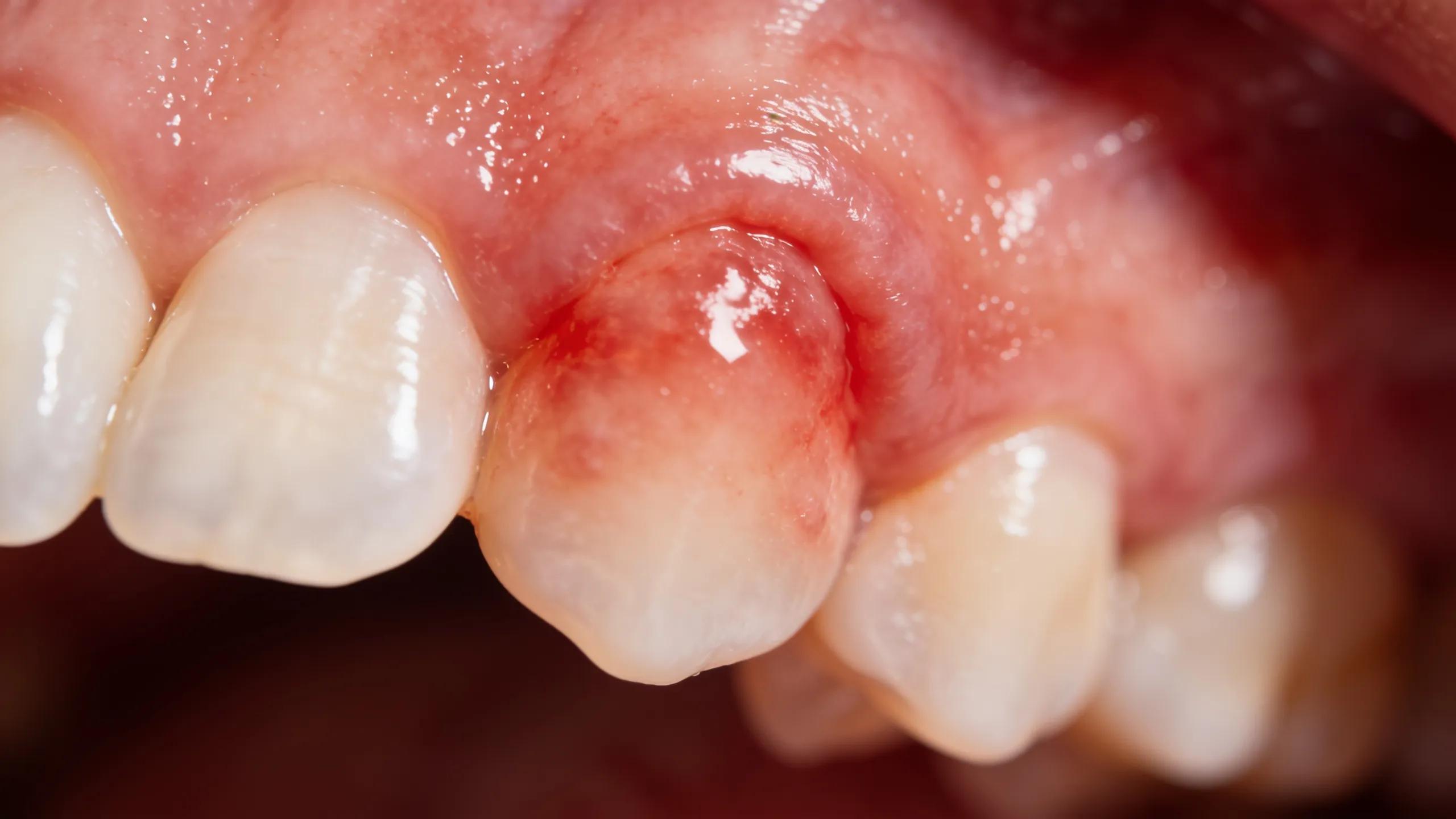
Swollen or tender gums reflect active inflammation from plaque and bacterial toxins. If persistent, that inflammation can damage the periodontal ligament and alveolar bone. Periodontitis also links to systemic conditions such as diabetes and heart disease, so early evaluation and treatment are important.
See a dental professional if swelling or tenderness persists.
What Causes Gum Disease and How Do These Factors Affect Symptoms?
Gum disease typically begins when plaque—a bacterial biofilm—accumulates because of inadequate brushing and flossing. Risk factors that worsen symptoms include tobacco use, hormonal fluctuations, and systemic conditions that impair healing.
- Poor Oral Hygiene: Increases plaque formation.
- Tobacco Use: Impairs gum health and healing.
- Hormonal Changes: Make gums more sensitive during puberty, menstruation, and pregnancy.
- Certain Medical Conditions: Conditions like diabetes affect blood flow and healing.
Identifying these drivers helps you and your clinician focus preventive and treatment strategies.
How Can You Prevent Gum Infection and Halt Disease Progression?

Daily oral care and regular professional monitoring are the most effective prevention. Key steps include thorough home cleaning, scheduled dental check-ups, and a balanced diet to support healing and immunity.
- Daily Oral Hygiene: Brush twice daily with fluoride toothpaste and floss to remove plaque from interdental areas.
- Regular Dental Visits: Schedule check-ups at least every six months for cleaning and early detection.
- Maintaining a Balanced Diet: A nutritious diet with vitamins and minerals supports gum repair; limit sugary snacks to reduce plaque.
These measures lower infection risk and help stop progression before invasive treatment is needed.
Recommended Preventive Measures
The table below summarises preventive measures, their impact, and how to apply them.
Consistent use of these steps is essential to maintain gum health and prevent advancement.
What Oral Hygiene Practices Effectively Reduce Gum Disease Symptoms?
Effective home care uses correct technique and appropriate tools: a soft-bristled brush, proper flossing, and, when advised, an antimicrobial mouthwash as an adjunct to mechanical cleaning.
- Brushing Technique: Use gentle strokes with a soft-bristled brush to remove plaque without damaging gums.
- Flossing Technique: Use proper flossing method to clean between teeth and remove interdental plaque.
- Mouthwash Use: An antibacterial rinse can help reduce oral bacteria when used alongside brushing and flossing.
These practices reduce bacterial load, lower inflammation, and improve outcomes when combined with dental care.
Why Is Early Detection and Routine Dental Care Essential for Prevention?
Routine dental care is the primary defence against gum disease. Early detection through exams and professional cleanings allows targeted treatment before bone and connective tissue are damaged.
For patients with early signs, scaling and polishing or intensified home-care plans often halt progression and preserve oral function.
When Should You Seek Professional Treatment for Gum Disease Symptoms?
See your dentist if you notice any of the following:
- Red or swollen gums: Signs of inflammation.
- Bleeding during brushing: Recurrent bleeding merits evaluation.
- Loose teeth: May indicate advanced disease requiring prompt care.
Early professional care reduces the need for extensive procedures and helps preserve natural teeth.
What Treatment Options Are Available for Receding Gums and Infection?
Treatment depends on severity and ranges from non-surgical therapy to surgery. Options include scaling and root planing, flap surgery or grafting for tissue loss, and topical antiseptics to control infection.
- Non-surgical Treatments: Scaling and root planing to remove plaque and calculus beneath the gumline.
- Surgical Procedures: Flap surgery or grafting for significant gum or bone loss.
- Topical Medications: Antiseptic rinses and locally applied agents can help control infection.
Discuss options with your dental professional to create a personalised plan addressing symptoms and causes.
How Does Midwest Family Dental Care Support Patients with Gum Disease?
Midwest Family Dental Care offers preventive services, routine cleanings, and tailored treatment plans for advanced cases, using established clinical protocols and patient education to manage and prevent gum disease.
Residents of Michigan and Indiana can access care at Midwest Family Dental Care locations to evaluate symptoms, receive treatment, and learn to maintain long-term gum health.
Frequently Asked Questions
What are the long-term consequences of untreated gum disease?
Untreated disease can lead to tooth loss and jawbone breakdown. Periodontal infection may also contribute to systemic effects by allowing bacteria and inflammatory mediators into the bloodstream, which can aggravate conditions such as heart disease and diabetes.
How often should I visit the dentist for gum disease prevention?
Most patients benefit from visits every six months for cleaning and early detection; higher-risk patients may need more frequent monitoring based on their dentist’s advice.
Can diet impact my gum health?
Yes. Adequate vitamins—especially vitamin C—and minerals support tissue repair and immunity, while excess sugar promotes plaque. Crunchy fruits and vegetables can also help clear debris and stimulate circulation.
What are some common misconceptions about gum disease?
Myths include the idea that gum disease only affects older adults or that lack of pain means everything is fine. It can occur at any age and is often painless in early stages, so regular exams are essential.
How can I tell if my gum disease is progressing?
Worsening bleeding, increased swelling or tenderness, persistent bad breath, and greater tooth mobility suggest progression. Seek dental advice promptly if symptoms worsen.
Are there specific products recommended for gum health?
Helpful products include fluoride toothpaste, antimicrobial mouthwash, a soft-bristled toothbrush, and interdental aids such as floss or interdental brushes. Your dentist can recommend items suited to your needs.
Conclusion
Recognising early warning signs—swollen gums, bleeding, persistent bad breath, and gum recession—lets you act before irreversible damage occurs. Regular dental check-ups and consistent home care are the cornerstones of prevention. Consult a dental professional if you notice symptoms and use available resources to protect your oral health.