
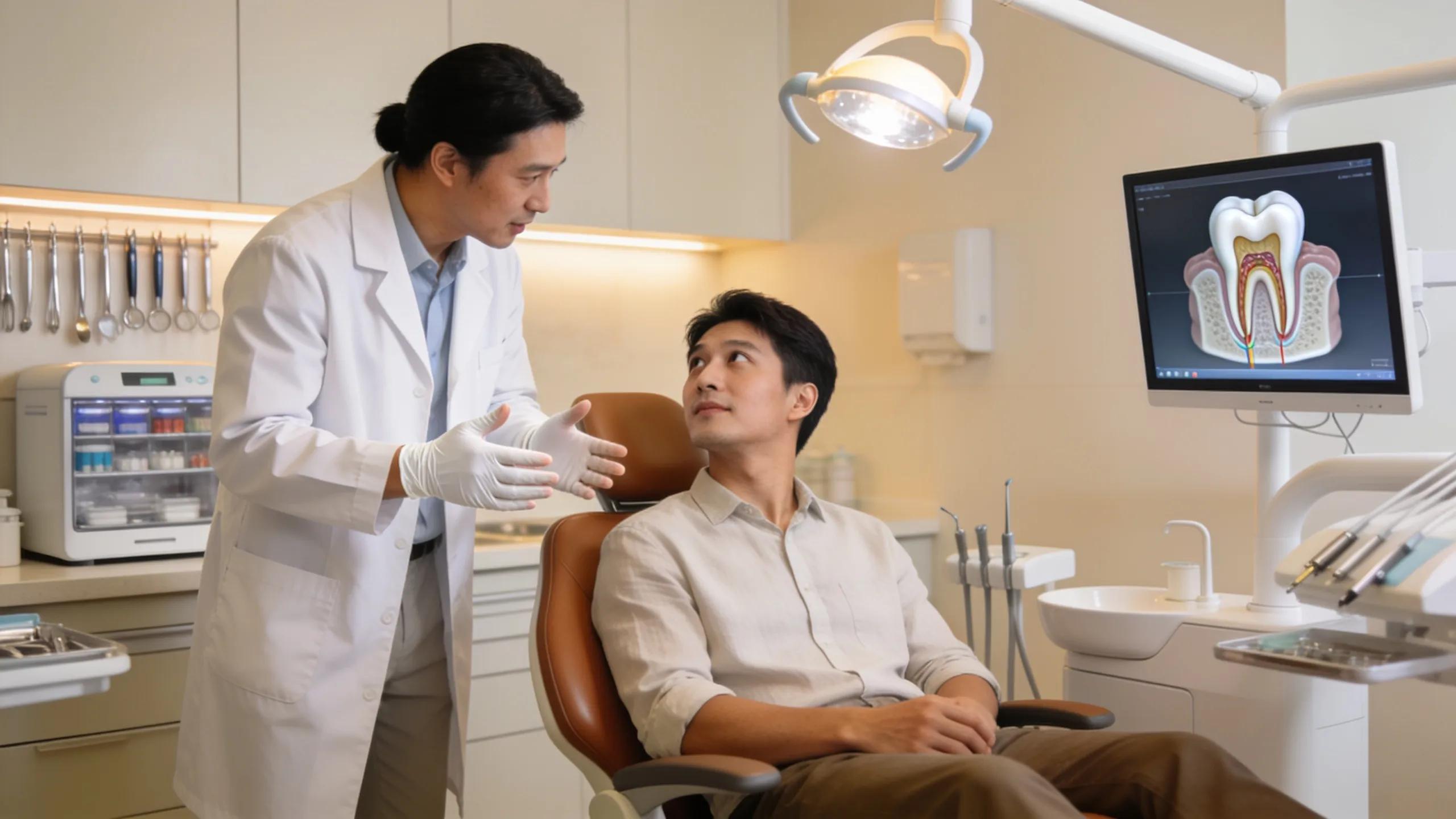
Root Canal Treatment: Myths Debunked by Midwest Dental Experts
Root canal treatment is commonly misunderstood and often causes unnecessary anxiety. Modern endodontic care is safe, typically painless with local anaesthesia, and aims to preserve the natural tooth. Midwest Family Dental Care clinicians specialise in endodontics and patient education; this article debunks myths, outlines infection signs, explains treatment and recovery, and offers post-treatment guidance.
Key Takeaways
- Modern anaesthesia and advanced dental tools make root canals minimally painful.
- The procedure saves infected teeth and often prevents extraction.
- Symptoms to watch for: persistent pain, sensitivity, swelling, or abscess.
- Alternatives include extraction or pulp capping, with different outcomes and recovery.
- Follow post-op care and manage pain to promote comfortable recovery.
- Recovery is typically days to weeks; soft diet and cold compresses help.
- Good oral hygiene and regular check-ups support long-term results.
- Early diagnosis and treatment by dental experts improve outcomes.
What Are the Most Common Myths About Root Canal Treatment?

Misinformation creates fear and delays needed care; separating fact from fiction helps patients seek timely treatment.
Is Root Canal Treatment Painful or Uncomfortable?
With local anaesthesia and modern instruments, most patients report little or no pain during the procedure. Post-operative discomfort is usually mild and controlled with over‑the‑counter or prescribed analgesics.
Does a Root Canal Cause More Harm Than Good?
A root canal removes infected pulp to relieve pain and preserve the tooth, often avoiding more complex restorative work. Discuss risks and benefits with your dentist to choose the best option.
What Are the Key Signs of a Root Canal Infection Requiring Treatment?
Recognising infection signs early allows prompt treatment to protect pulp and surrounding bone.
How to Recognize Symptoms of Tooth Infection and Abscess?
Persistent or severe tooth pain, prolonged hot/cold sensitivity, localized swelling, or visible pus/abscess warrant urgent evaluation.
When Should You Visit a Midwest Family Dental Expert for Evaluation?
If pain, swelling, gum changes, or other infection signs appear or worsen, contact a Midwest Family Dental clinician promptly.
What Are Your Options: Root Canal Treatment and Its Alternatives?
Treatment choice depends on tooth condition; root canal therapy commonly preserves the tooth, while extraction or restorative procedures may be alternatives.
A clinical evaluation at Midwest Family Dental Care will determine the best option.
Discuss benefits, recovery time, and long-term implications with your dentist to decide which approach fits your oral health goals.
How Can You Ensure a Comfortable Recovery After Root Canal Treatment?
Follow post-op instructions to minimise discomfort and support healing.
- Follow Post-Operative Care Instructions: Follow dentist’s guidance to reduce complications.
- Manage Pain Effectively: Use prescribed or OTC medication as directed for comfort.
- Practice Good Oral Hygiene: Keep the mouth clean to support healing.
Adhere to hygiene, take medications as directed, and limit strenuous activity during recovery.
What Is the Typical Root Canal Recovery Time and Care Tips?
Most return to routine soon after treatment; full healing and comfort may take days to weeks.
- Rest and Apply Cold Compresses: Rest and use cold packs for swelling.
- Soft Diet Recommendations: Eat soft foods while the area heals.
- Avoid Tough and Chewy Foods: Avoid hard or sticky items for several days.
Avoid heavy chewing initially to protect the treated tooth during healing.
What Post-Root Canal Care Practices Support Oral Health?
Consistent post-treatment habits support long-term success.
- Regular Dental Check-Ups: Schedule follow-ups so your dentist can monitor healing.
- Maintain a Good Oral Hygiene Routine: Brush twice daily and floss to prevent decay.
- Stay Hydrated and Eat a Balanced Diet: Nutrition and fluids support recovery.
Keep routine visits, home care, and good nutrition to preserve treatment success.
Frequently Asked Questions
1. How Long Does a Root Canal Treatment Take?
About 1 to 2 hours for most teeth; complex cases may require additional visits.
2. What Should I Expect During the Recovery Process?
Mild soreness or minor swelling for a few days is common. Rest, cold compresses, a soft diet, and recommended pain relief help; contact your dentist if symptoms worsen or persist.
3. Can Root Canal Treatment Fail?
Root canal therapy is generally successful, but failures can occur from missed canals or recontamination. Retreatments or surgical options may be considered.
4. Are There Any Dietary Restrictions After a Root Canal?
Stick to soft foods for the first few days and avoid hard, crunchy, or sticky items that could irritate the area.
5. How Often Should I Get Dental Check-Ups After a Root Canal?
Continue routine dental visits (typically every six months) or follow a personalised schedule recommended by your dentist.
6. What are the Signs of Complications After a Root Canal?
Watch for increasing or persistent pain, swelling that does not subside, prolonged sensitivity, a foul taste or odour, or a raised bump on the gum. Contact your dentist promptly if these occur.
7. Can I Drive After a Root Canal Treatment?
You can usually drive after local anaesthesia if you feel alert. If sedated or drowsy from medication, arrange a ride home and follow your dentist’s activity guidance.
Conclusion
Understanding root canal facts reduces fear and encourages timely care to save natural teeth. For appointments with Midwest Family Dental Care, please visit our services page or call to schedule a consultation.