
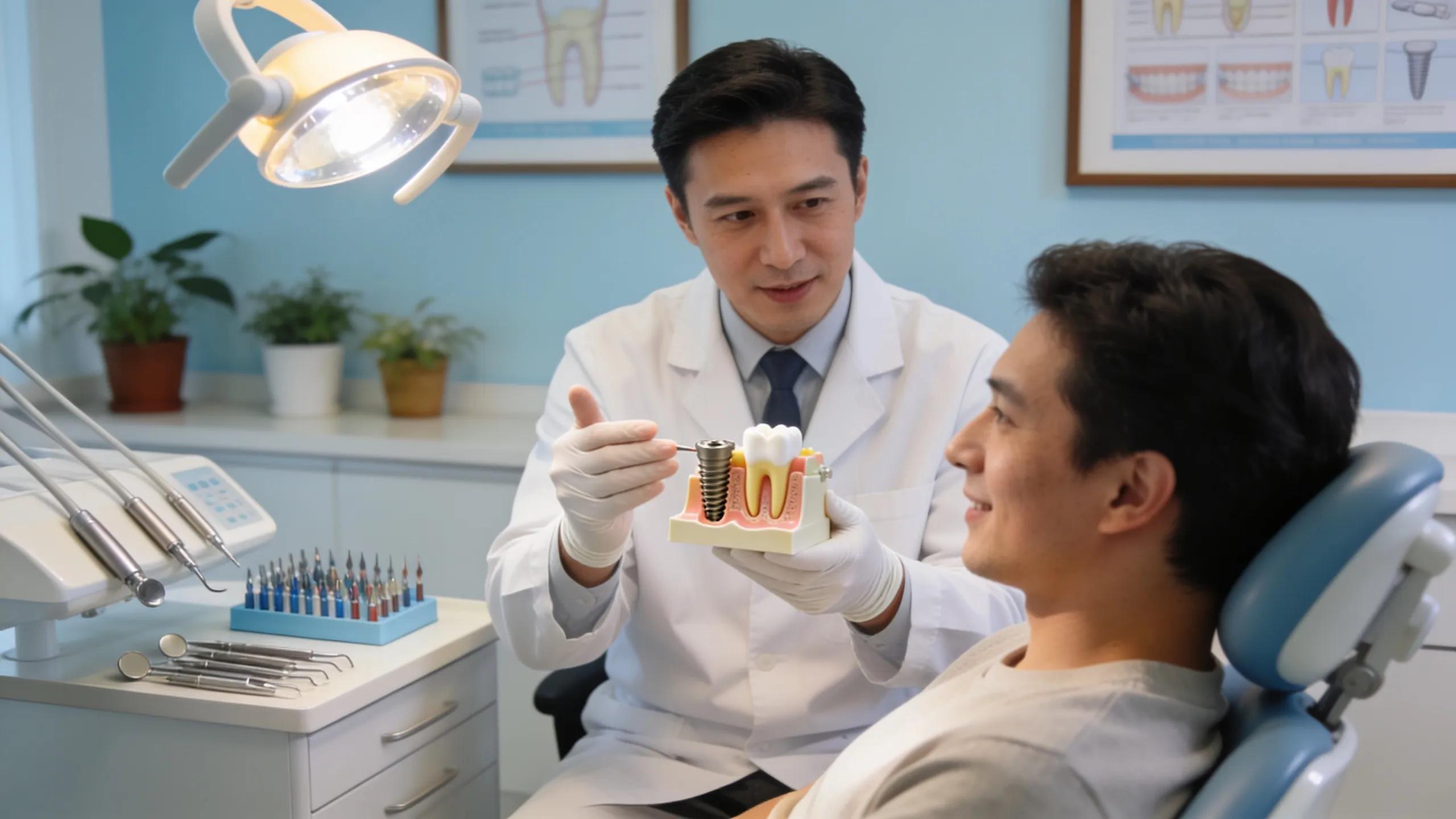
What to Expect During Your Dental Implant Procedure: A Comprehensive Patient Guide
Dental implants provide a durable option for long‑term tooth replacement. This guide walks you through the implant journey—preparation, surgical steps, postoperative care, and expected outcomes. Clear expectations can reduce anxiety and strengthen the relationship between you and your dental team.
Many patients want to know the specific steps, the typical healing timeline, and how to prepare for surgery. This article examines each stage so you can make an informed choice, covering preoperative guidance, the surgical workflow, aftercare, and the common benefits patients experience with implants.
Key Takeaways
- Dental implants offer a long-term solution for tooth replacement with transformative benefits.
- The procedure begins with a thorough consultation to evaluate medical history and candidacy.
- Patient education is crucial to build trust and reduce uncertainties about dental implant surgery.
- Preparation includes understanding the surgical process, time commitment, and necessary follow-up visits.
- The article details each phase of the dental implant journey to ensure patient confidence.
- Post-operative care instructions are essential for successful healing and implant integration.
- Understanding potential outcomes helps patients make informed decisions about dental implants.
Preparation Steps:
Before implant surgery you will have a comprehensive consultation. Your dentist will review your medical and dental history and assess factors that affect healing and implant success. Certain health conditions can influence outcomes, so candidacy is confirmed before proceeding. Your provider will also explain the timetable and any follow-up visits required.
Midwest Family Dental Care prioritizes clear patient education throughout this process. By explaining each step and the benefits of implants, they aim to reduce uncertainty and support informed decision‑making. Understanding the surgical pathway helps you prepare both practically and mentally. For a more in-depth understanding of the initial process, ask your provider for additional resources and a clear treatment plan during consultation.
Frequently Asked Questions
What types of dental implants are available?
Common options include endosteal and subperiosteal implants. Endosteal implants are the most widely used: titanium fixtures placed into the jawbone that support one or more prosthetic teeth. Subperiosteal implants sit on or above the jawbone beneath the gum and are considered when bone height is insufficient. Your dentist will recommend the most suitable type based on your jaw anatomy and restorative needs.
How long does the entire dental implant process take?
Timelines vary by case, but the process generally spans several months. After implant placement there is a healing phase called osseointegration, where bone fuses to the implant—this typically takes three to six months. Once integration is sufficient, the final crown is fabricated and fitted, which can add additional weeks. Your dentist will provide a personalised timeline during consultation.
Are dental implants painful?
Most patients report minimal pain thanks to modern local anesthesia and sedation options. Your clinician will numb the area and may offer sedation to improve comfort. Postoperative soreness is common but usually manageable with over‑the‑counter analgesics and proper care. Discomfort is often greater during the gum healing phase than during the surgery itself.
What is the success rate of dental implants?
Dental implants have a high success rate, commonly reported between 90% and 95%. Success depends on factors such as overall health, bone quality at the implant site, and oral hygiene. Good postoperative care and routine dental exams support long‑term implant stability.
How long do dental implants last?
Implants are designed for long‑term function and can remain in place for many years with proper care. The implant fixture may last a lifetime, while the prosthetic crown attached to it typically requires replacement after roughly 10 to 15 years due to normal wear. Regular maintenance and checkups help extend longevity.
What should I eat after dental implant surgery?
Stick to soft foods for the first few days to avoid stress on the surgical site. Good choices include yogurt, smoothies, mashed potatoes, and soups. Gradually reintroduce firmer foods as healing progresses. Avoid hot, spicy, or hard items until your dentist confirms full healing.
Can anyone get dental implants?
Many patients are good candidates, but suitability depends on factors like bone density and periodontal health. Chronic conditions such as uncontrolled diabetes or tobacco use may require additional evaluation. A thorough consultation will determine whether implants are appropriate for your specific medical and dental history.
Conclusion
Knowing what to expect from the implant process helps you make confident, informed choices about your oral health. Dental implants restore function and aesthetics while offering a durable replacement option. Speak with a dental professional to review your options, and reach out to our team to plan the next step in your care.